Conveyor Belt Wear Analysis: Causes and Prevention in Aggregate Production Lines
Conveyor Belt Wear Analysis: Causes and Prevention in Aggregate Production Lines
The belt conveyor is indispensable in mining and quarry operations, and the service life of the conveyor belt directly determines the reliability and operating cost of the entire material handling system. In sand, gravel, and crushed aggregate production lines — where abrasive materials are the norm — understanding how conveyor belt wear occurs and implementing targeted protective measures during system design and operation can dramatically extend belt life, stabilize production, and reduce maintenance expenditure.
How Conveyor Belt Wear Occurs
Conveyor belt degradation follows two primary patterns, each with distinct causes and requiring different countermeasures.
Cover Rubber Abrasion
The most common form of wear occurs on the carrying-side cover rubber — the surface in direct contact with the conveyed material. Continuous friction between the moving belt and the material load gradually erodes the cover layer. This wear is compounded by friction at contact points between the belt and various conveyor components.
When cover rubber wear appears abnormal or accelerates unexpectedly, the first diagnostic step is to check for material accumulation, jamming, or blockages anywhere along the conveyor path. Misaligned skirt boards, seized conveyor belt rollers, or material trapped in transfer chutes can create concentrated friction zones. Adjusting belt tension parameters and clearing all obstruction points should be the immediate response.
Belt Edge Wear
Edge wear is primarily caused by the belt rubbing against the conveyor frame when the belt drifts off-center. Under ideal conditions, the belt should run precisely along the centerline of the idler sets. However, manufacturing tolerances, installation imperfections, and operational factors inevitably introduce some deviation.
A misalignment of up to 5% of belt width is generally considered within normal operating limits. Beyond that threshold, the belt edge makes contact with idler brackets, frame members, and structural supports, progressively abrading the edge rubber. In severe cases, the belt can ride up onto the frame and roll over entirely. Additional edge damage sources include protruding pulley bolts, cleaner block edges, and frame gaps that are too narrow — any of which can cause belt tearing, localized cover rubber delamination, and deep scoring.
Protective Measures to Extend Conveyor Belt Life
After diagnosing the wear patterns, the following design and operational strategies provide effective protection.
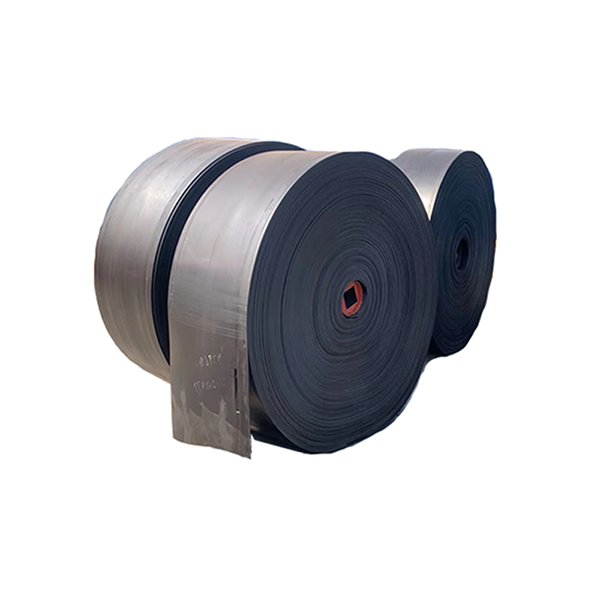
Selecting the Right Conveyor Belt
Proper belt selection is the single most impactful decision for long-term wear resistance. The selection process must account for multiple interacting factors:
The specific performance requirements of the conveyor system
Geographic and environmental conditions, including temperature extremes and moisture exposure
The type, shape, size, and characteristics of the material being conveyed
Minimum pulley diameters in the system
Required troughability and transverse stiffness
Anticipated load profiles
Horizontal curves and transition lengths
Three dimensions of belt selection deserve particular attention:
Belt construction and profile — whether a flat, troughed, or specialized profile is required
Carcass material and structure — nylon, polyester, steel wire, or aramid reinforcement, each with distinct elongation, impact, and strength characteristics
Cover rubber specification — the grade and thickness of the rubber compound must match the abrasiveness, temperature, and chemical nature of the conveyed material
Investing in the correct specifications from the start yields a far lower total cost of ownership than frequent replacement of an underspecified belt.
Reducing Component-Induced Wear
Conveyor components should be sourced from professional manufacturers and installed in strict accordance with current installation standards and acceptance procedures. Particular attention must be paid to components known to cause concentrated belt wear — such as belt cleaners, scraper blades, and skirt seals. During installation, multiple adjustment iterations should be performed to achieve minimal contact pressure. During operation, these components require regular inspection and readjustment as they wear.
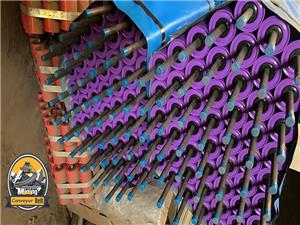
A well-maintained set of conveyor belt rollers is equally critical. Even one seized idler creates a stationary abrasive contact point that can cut deeply into the belt cover. Routine inspection and replacement of failed rollers prevents what would otherwise be rapid, localized belt damage.
Optimizing the Feed Chute Design
The loading zone is where much of a conveyor belt's wear history begins. Feed chute design has an outsized influence on belt service life. An optimized feed system should satisfy five design requirements:
Velocity matching. The speed and direction of the incoming material should be as close as possible to the belt's running speed and direction. A large velocity differential forces the belt to accelerate the material through friction — directly consuming cover rubber.
Center loading. Material must land on the center of the belt, not off to one side. Eccentric loading creates uneven wear across the belt width and promotes belt misalignment, which in turn accelerates edge wear.
Impact mitigation for large materials. When conveying large, heavy, or sharp-edged rock, impact forces can damage both the cover rubber and the carcass. Installing an inclined chute, reducing the drop height, or adding impact idlers and buffer beds at the loading point absorbs impact energy that would otherwise be transmitted directly to the belt.
Adjustable feed rate. The ability to regulate material flow ensures the conveyor operates within its design capacity, avoiding overloading that increases belt tension and friction.
Continuous, consistent feeding. Intermittent surges of material create cyclic stress and uneven wear. A steady, uninterrupted material stream distributes wear uniformly and maximizes belt life.
The Business Case for Proactive Wear Management
Every meter of conveyor belt represents an investment. When wear is ignored, the cost is not just the replacement belt — it is the accumulated downtime, the lost production, the labor, and the cascading damage to conveyor belt rollers and frames that accelerated wear causes. A systematic approach to wear analysis and prevention — proper belt selection, optimized loading, and consistent component maintenance — pays for itself many times over across the service life of a mining or aggregate conveyor system.