How Long Does a Conveyor Belt Last? 5 Factors That Decide
Why does one conveyor belt last five years while an identical-looking belt fails in three months? Most buyers compare only width, thickness, and price — and ignore the real logic behind belt life. The lifespan of a conveyor belt is not luck. It is locked in by five core factors: carcass material, rubber compound, operating environment, equipment matching, and daily maintenance. This guide explains each one so you can stop the hidden losses of "buy cheap, replace often" and genuinely lower your line's maintenance cost.
1. Carcass Material: The DNA of Belt Life
The carcass is the skeleton of a conveyor belt. It directly decides tensile strength, resistance to deformation, and base service life — and it is also where the biggest differences between belts appear.
NN (nylon) conveyor belts offer good toughness, strong impact resistance, and excellent value. But they have high elongation — under load they stretch, relax, and wander. They suit short-haul, high-impact, light-duty lines where the drop is large.
EP (polyester) conveyor belts are the workhorse of mining and industrial duty. They stretch very little, hold their shape, run stably, and resist both wear and aging. Their overall performance clearly beats NN belts, which is why they fit most building-material, power-plant, and mining production lines.
Steel cord conveyor belts use an internal steel-wire carcass. They deliver extremely high tensile strength, almost zero elongation, and outstanding tear and impact resistance — engineered for long-distance, high-capacity, 24-hour heavy-duty operation.
2. Rubber Compound and Cover Thickness: The Armor That Takes the Hits
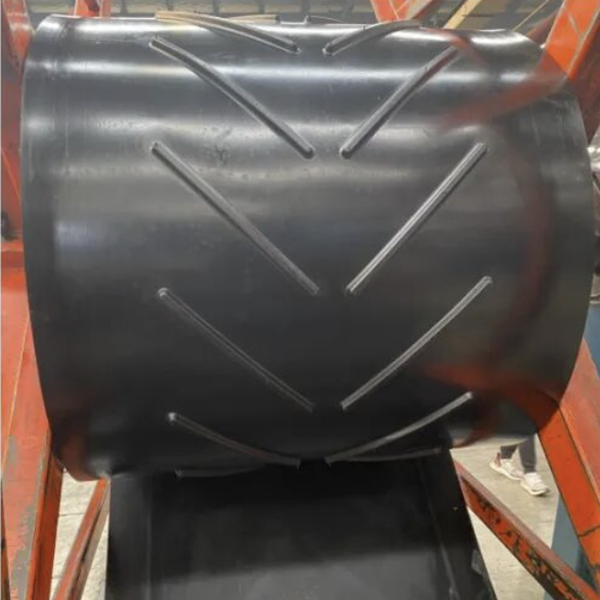
The top cover rubber is the first line of defense against friction, impact, and cutting. It is also the clearest difference between a durable belt and a cheap reconditioned one.
Virgin national-standard abrasion-resistant rubber resists wear, cutting, and aging. Its service life is 2–3 times longer than belts made with reclaimed rubber.
Reclaimed-rubber budget belts have a hard, brittle cover that peels, cracks, and scratches easily — exposing the fabric and delaminating after short use.
Thicker is not always better. Fine-powder conveying does not need an overly thick cover. But coarse, sharp ore absolutely requires a thicker top cover, or the belt will be punctured and torn through.
3. Operating Environment: The Invisible Killer of Belt Life
Even the best belt dies quickly if it is mismatched to the working environment.
How the material itself affects the belt:
Hard, sharp stone and iron ore cause severe cutting wear and shorten belt life dramatically
Sticky clay and fine powders build up on the surface, increase scraper friction, and accelerate wear
Hot clinker and coke rapidly age standard rubber — cracking and delaminating it. These jobs need a dedicated heat-resistant conveyor belt
How the site environment affects the belt:
Prolonged sun exposure or close heat sources make rubber age, harden, and turn brittle
Rain and damp underground conditions cause fabric to mildew and steel cords to rust, destroying the internal structure
Oil, acid, and alkali make rubber swell, blister, and separate into layers — the belt is scrapped
4. Equipment Matching and Installation:
The Real Cause of 80% of Premature Belt Failures
Many belts are not worn out — they are installed wrong or matched wrong. This is the single most common reason belts fail early.
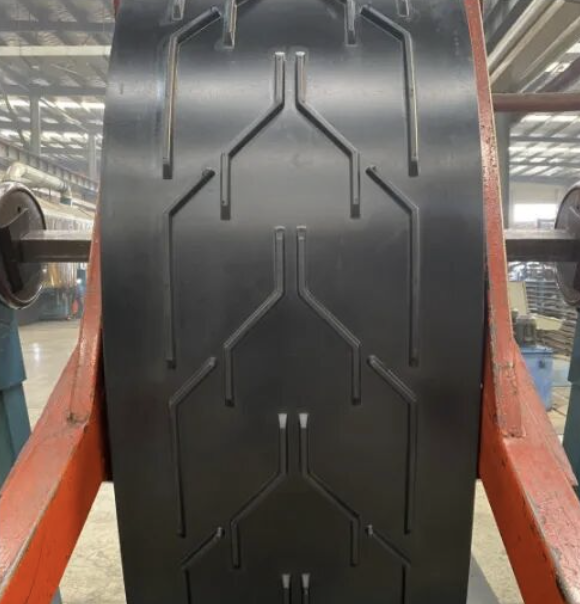
Drum diameter mismatch. If the conveyor drum is too small, the belt is repeatedly bent at high stress. It readily delaminates, cracks, and damages the splice.
No impact protection at the loading point. Material falling from height hits the belt directly. Without an impact bed or impact idlers, the repeated pounding creates dents, holes, and localized damage.
Poor splice workmanship. The splice is the weakest point of the whole belt. Mechanical fasteners snap, cold-bonded splices peel, and poorly vulcanized splices crack — all of which shorten the belt's overall life dramatically.
5. Daily Maintenance: The Final Decider
With the same belt and the same duty, proper maintenance can double the service life — poor maintenance can halve it.
Over-tight tension stretches the belt under constant high load and eventually causes fatigue breakage
Under-tight tension lets the belt slip, generating heat, scorching the rubber, and causing abnormal wear
Ignoring mistracking wears one edge down and lets tears grow wider
Failed scrapers or seized conveyor belt rollers keep gouging and abrading the belt surface
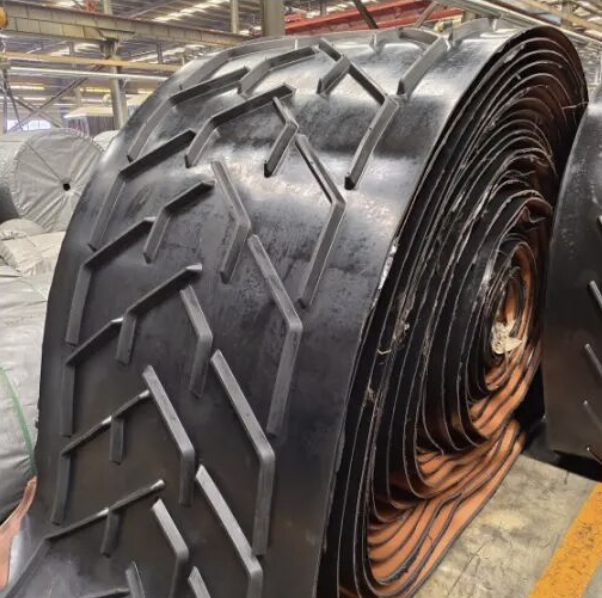
Poor storage — sun, rain, or stacked pressure before installation — ages a belt before it even reaches the machine
Conclusion
A conveyor belt's lifespan is decided long before it is installed — by the carcass you choose, the cover compound you specify, the equipment you match it with, and the maintenance you give it. Choosing the right nylon, polyester, or steel cord conveyor belt for your material and distance is the cheapest way to cut downtime and replacement cost. Xiamen Mining Conveyor Belt is a professional conveyor belt manufacturer that precisely matches belts to your site conditions, material, conveying distance, and equipment parameters. We supply the full range — EP polyester, NN nylon, steel cord, chevron, and elevator belts — and support custom production. Whether you need selection or replacement, tell us your operating conditions and we will recommend the right belt.